Here at Back2Balance, we are big fans of using dry needling alongside chiropractic/osteopathic adjustments and rehab exercises. It is one of the tools we use to help your body heal faster, move better and feel stronger.
In this blog, we’ll explain what dry needling is, how it works, and why it is different from acupuncture.
What is Dry Needling?
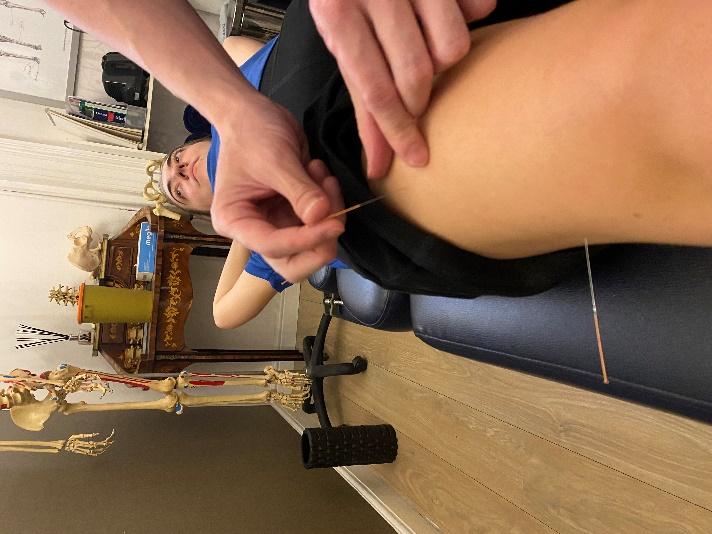
Dry needling involves inserting a very thin, sterile needle into a tight or painful area of muscle called a trigger point.
A trigger point is a small knot where muscle fibres become bunched together. These areas can:
- Cause pain
- Limit movement
- Create referred pain (pain felt somewhere else)
For example, have you ever pressed into your shoulder and felt pain travel up into your head? That is referred pain coming from a trigger point.
When the needle is placed into the muscle, it creates a small, controlled micro-trauma. This stimulates the body’s natural healing response by:
- Increasing blood flow
- Reducing muscle tension
- Deactivating the trigger point
- Helping muscle fibres reorganise and relax
There is also research showing that needling a spasming muscle can provide stronger pain relief than injecting morphine into that same muscle.
How Is Dry Needling Different from Acupuncture?
Although the needles look similar, the purpose is very different.
- Acupuncture is based on traditional Chinese medicine and works with energy channels (meridians). Practitioners complete long training focused on this system.
- Dry needling is based on modern anatomy, muscle function and pain science. It targets tight muscles and trigger points directly.
For us, dry needling is simply another tool in our toolbox. It works alongside adjustments and rehab to restore movement, improve nervous system function and support long-term recovery.
When Do We Use Dry Needling?
We usually introduce dry needling during the rehab phase of care, when clients are attending weekly.
For best results, we recommend 3-4 sessions, as each treatment builds on the last.
Does It Hurt?
You may feel a brief discomfort or a twitch response in the muscle, but many clients feel little to nothing.
Interestingly, the more you feel it, the more likely we’ve found the right spot. That sensation often means the trigger point is being released.
The Results
When used alongside adjustments and rehab exercises, dry needling helps:
- Reduce pain
- Improve mobility
- Speed up recovery
- Strengthen the body
Most clients notice a real difference after just a few sessions.
Dry needling can help with-
- Lower back pain and sciatica
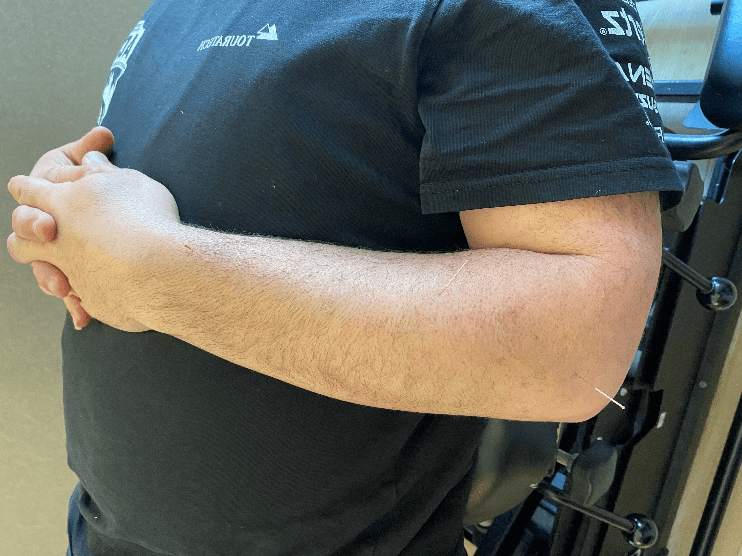
- Tennis elbow
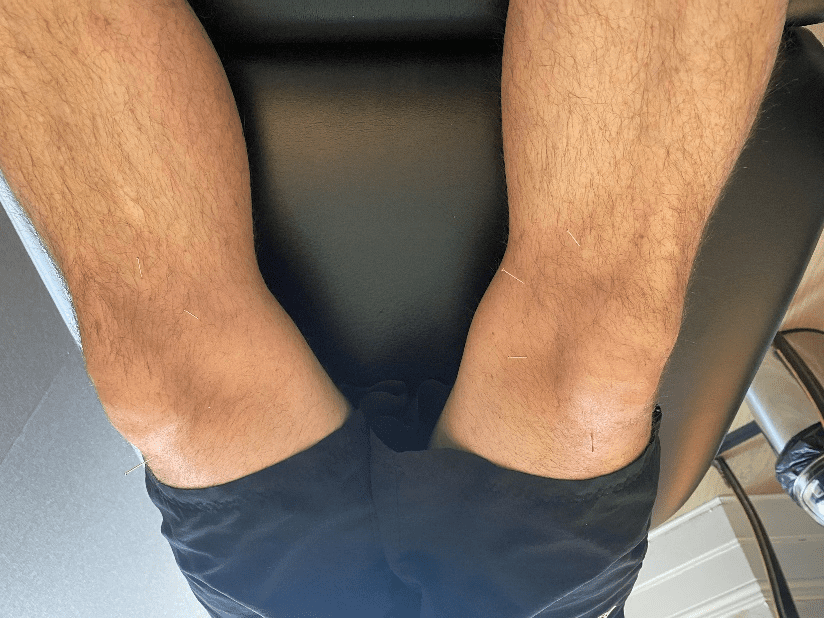
- Knee pain
- Headaches
- Shoulder pain/rotator cuff issues
- Neck pain
- Plantar fasciitis
- Calf issues
- Achille tendinopathy
If you have any questions about dry needling or want to know if it’s right for you, don’t hesitate to call us or reach out via email or socials for more information.