
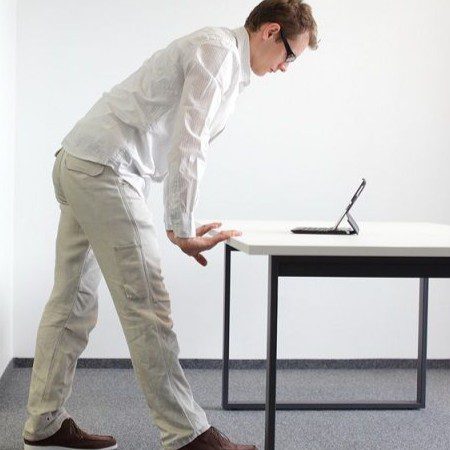


Expert Hunchback Posture Correction in Bracknell
Postural Correction for Better Health
Have you looked at your posture in the mirror and thought, “Am I getting a hunchback?!” If you are frequently slumped forward, you may develop a rounded upper back. This condition, medically known as thoracic hyperkyphosis, is more than just a cosmetic concern—it can significantly impact your overall health and quality of life.
At (CLINIC NAME), we specialize in chiropractic posture correction that addresses thoracic hyperkyphosis from the inside out. We help patients in (LOCATION) achieve better alignment, reduced pain, and improved function.
What is Thoracic Hyperkyphosis (Hunchback Posture)?
While your back needs normal curves to be flexible, excessive forward curvature of the upper spine creates the appearance of rounded shoulders and a protruding upper back. A curvature greater than 50 degrees is considered abnormal and can lead to a cascade of health problems, including interference in your nervous system.
Common Causes of Hyperkyphosis
- Postural habits – Hours spent looking down at phones, tablets, and computers
- Muscular imbalances – Weakened upper back muscles and tight chest muscles
- Degenerative disc disease – Age-related wear and tear on spinal discs
- Osteoporosis – Bone weakness leading to vertebral compression
- Congenital conditions – Spinal abnormalities present from birth
- Previous spinal injuries – Trauma that affects spinal alignment
The (CLINIC NAME) Approach to Posture Correction
At (CLINIC NAME), we address thoracic hyperkyphosis to correct the underlying causes of poor posture, not just the symptoms. Our process begins with a thorough evaluation. Depending on the patient, this can include x-rays, range of motion, muscle strength and balance evaluation, neurological screening, and functional movement assessment. Our goal with our precise chiropractic adjustments is to:


Our goal with our precise chiropractic adjustments is to:
- Restore proper vertebral alignment
- Reduce pressure on spinal nerves
- Improve joint mobility in stiff spinal segments
- Begin retraining proper neurological patterns that maintain a healthy posture
The Hidden Health Impacts of Poor Posture
Thoracic hyperkyphosis is far more than just a cosmetic issue. Research has shown significant connections between this postural abnormality and serious health concerns:
Increased Mortality Risk
Research from the Rancho Bernardo Study found that older people with hyperkyphotic posture had a higher risk of death. This landmark study, which measured kyphotic posture in participants between 1988 and 1991, demonstrated that poor posture can predict mortality in older adults.
Fall Risk and Mobility Limitations
The Rancho Bernardo Study also found that older people with hyperkyphotic posture were more likely to:
- Have difficulty bending
- Experience challenges with walking
- Struggle with climbing stairs
- Face an increased risk of falls and fractures
Respiratory Complications
A 2018 study in Biochemistry Research International examined upright sitting, induced forward head posture, and torticollis and found that these changes in head and neck posture affected lung function in healthy young men. This makes physiological sense, as the hunched position may compress nerve flow and restrict lung expansion, potentially reducing lung capacity and oxygen intake.
Progressive Spinal Degeneration
Left untreated, thoracic hyperkyphosis can accelerate:
- Spinal arthritis – Progressive joint damage and inflammation
- Disc degeneration – Premature wear and tear on spinal discs
- Nerve dysfunction – Compression of spinal nerves causing pain, numbness, or weakness
What Patients Are Saying
Things people often ask about Posture Correction
Is it possible to correct thoracic hyperkyphosis in adults?
While treatment is most effective when started early, we’ve successfully helped patients of all ages improve their posture and slow the progression of degeneration. The key is consistent care, repetition, and patience.
How long does posture correction take?
Your specific timeline depends on the severity of your condition, age, and commitment to the recommended exercises. We can’t turn back the clock, but we can give you a better estimate after your evaluation. It also depends on how well your body responds to care.
Will I need X-rays as part of my evaluation?
Not necessarily. We will determine if imaging is necessary during your initial consultation. X-rays are helpful in getting a clearer idea of your spine’s condition and assessing the degree of kyphosis.
New Patient Special Offer
Schedule your comprehensive consultation today at DCPG. Contact us at (44) 175-3 25-1564. We proudly serve patients from Bracknell and surrounding communities including.
Address
177 E Houston St
New York, NY 10002
Phone
+(888) 695-9859
in**@*****le.com